
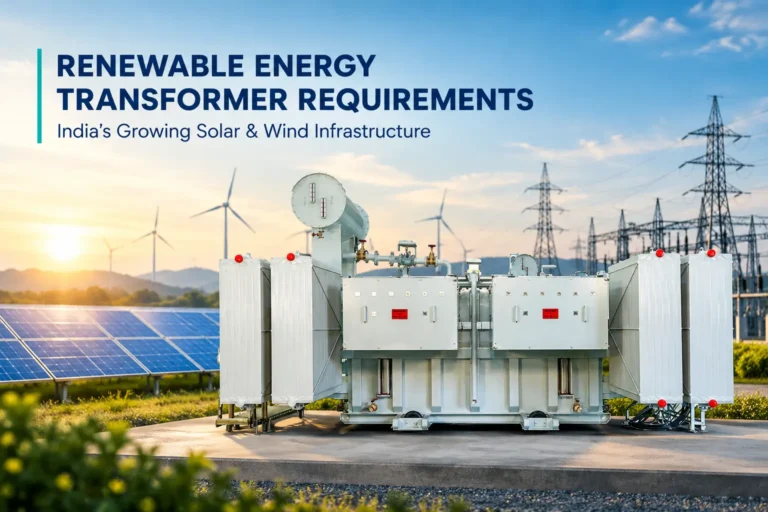
India’s renewable energy sector is growing rapidly, with solar and wind projects becoming an increasingly important part of the country’s power generation mix. In the first half of 2026 alone, India added around 27 GW of solar capacity, highlighting the scale at which renewable projects are being developed.
As renewable power generation increases, the electrical infrastructure supporting these projects also needs to evolve. Transformers are a critical part of this infrastructure because they help convert, regulate and transmit electrical power from renewable generation systems to the grid.
For solar and wind projects, choosing the right transformer is particularly important. A solar inverter duty transformer is designed to work with the specific electrical characteristics of renewable energy systems and plays an important role in reliable power transmission.
Why Renewable Energy Projects Need Specialized Transformers
Solar and wind power generation differs from conventional power generation. Renewable sources can experience changes in generation depending on sunlight, weather and operating conditions.
This creates specific requirements for the electrical equipment used in renewable energy projects.
Transformers used in these applications need to handle:
- Variable power generation
- Fluctuating loads
- Harmonic effects from power electronic equipment
- High operating temperatures
- Grid connection requirements
- Reliable continuous operation
- Voltage transformation between the inverter and grid
As renewable projects become larger, transformer selection becomes an important part of overall project planning.
The Role of a Solar Inverter Duty Transformer
A solar inverter duty transformer connects the inverter output of a solar power system with the higher-voltage electrical network.
Solar panels generate electricity at relatively low voltage. The inverter converts the generated DC power into AC power, after which the transformer steps up the voltage to the level required for collection, transmission or grid connection.
This makes the transformer an essential component between the solar generation system and the electrical grid.
For large-scale renewable projects, transformer design must be matched to the inverter configuration, voltage requirements, capacity and project-specific operating conditions.
How Solar Growth Is Changing Transformer Requirements
The rapid expansion of solar power is creating demand for transformers designed specifically for renewable-energy applications.
Modern solar projects can require transformers with:
1. Higher Capacity
Large solar parks can generate significant amounts of electrical power. The transformer must therefore be appropriately rated for the project’s generation capacity and operating conditions.
2. Multiple Windings
Large renewable energy projects may require multi-winding transformer configurations.
Depending on the system design, additional windings can provide greater flexibility for connecting multiple inverter outputs and integrating different parts of the electrical system.
MSC Transformers Manufactures Solar Inverter Duty Transformers with configurations of up to five windings, supporting applications where multiple winding arrangements are required.
3. Higher Voltage Transformation
Renewable energy generated at lower voltage levels needs to be stepped up before being transmitted through higher-voltage networks.
MSC Transformers offers Solar Inverter Duty Transformers with step-up capability up to 10 MVA and secondary voltage up to 33 kV, depending on the configuration.
4. Better Harmonic Handling
Solar inverters use power electronics that can introduce harmonic effects into an electrical system.
Transformer design therefore needs to consider the characteristics of the inverter and the expected operating conditions to support reliable system performance.
5. Reliable Operation Under Variable Conditions
Renewable energy systems do not always operate at the same output level. Solar generation, for example, changes throughout the day.
Transformers used in these installations need to be engineered for the expected load profile and operating environment to maintain reliable performance.
Renewable Energy and India’s Growing Grid Requirements
The growth of renewable energy is also increasing the need for stronger transmission and distribution infrastructure.
India has already crossed 300 GW of non-fossil fuel-based capacity and continues to work toward its 2030 renewable-energy targets. However, transmission capacity needs to grow alongside generation capacity to ensure that renewable electricity can reach demand centres.
This is creating opportunities for transformer manufacturers, substations and other electrical-equipment suppliers.
A reliable transformer is not simply a component of a solar plant. It is part of the larger infrastructure required to connect renewable generation with the grid.
What Should You Consider When Selecting a Transformer for a Solar Project?
Before selecting a transformer, project developers and EPC companies should evaluate several technical factors.
Power Rating
The transformer’s MVA rating should be suitable for the expected power generation and operating conditions.
Voltage Requirements
The primary and secondary voltage ratings should match the inverter output and grid connection requirements.
Number of Windings
Multi-winding configurations may be required depending on the number of inverter outputs and the project’s electrical architecture.
Cooling System
The appropriate cooling arrangement should be selected according to transformer capacity, operating conditions and installation requirements.
Harmonic Considerations
The transformer should be designed with the characteristics of the connected inverter and power-electronic equipment in mind.
Environmental Conditions
Temperature, dust, humidity and other site conditions can influence transformer design and long-term performance.
Manufacturer Experience
Working with an experienced solar transformer manufacturer can help project developers select a transformer based on the actual electrical and environmental requirements of the project.
Why Choosing the Right Transformer Manufacturer Matters?
A renewable energy project can operate for many years, making transformer reliability an important consideration during project planning.
An experienced transformer manufacturer in India can support customers with transformer design, engineering, testing and project-specific configurations.
The manufacturer should be able to understand:
- Solar plant capacity
- Inverter configuration
- Voltage levels
- Number of windings
- Site conditions
- Grid connection requirements
- Expected operating profile
This helps ensure that the transformer is appropriately matched to the renewable energy application.
MSC Transformers for Renewable Energy Applications
MSC Transformers provides transformer solutions for renewable energy applications, including Solar Inverter Duty Transformers designed for solar and wind projects.
MSC’s Solar Inverter Duty Transformer range includes multi-winding configurations and applications up to 10 MVA, with high-voltage output configurations up to 33 kV.
The company’s transformer portfolio also includes distribution transformers, power transformers and hermetically sealed distribution transformers, allowing different transformer requirements to be addressed across industrial and energy applications.
As renewable energy continues to expand in India, transformer technology will remain an important part of building reliable power-generation and grid infrastructure.
Conclusion
India’s renewable energy growth is changing the requirements for electrical infrastructure. Solar and wind projects need transformers that can work reliably with modern inverters, varying power generation and higher-voltage grid connections.
A properly designed solar inverter duty transformer can help provide reliable voltage transformation between renewable energy generation systems and the electrical grid.
For project developers, EPC companies and industrial users, selecting the right transformer manufacturer and transformer configuration at the planning stage can contribute to better reliability and long-term system performance.
With renewable energy capacity continuing to expand, specialized transformer solutions will play an increasingly important role in India’s transition toward a more renewable-powered electricity system.
Frequently Asked Questions
A solar inverter duty transformer is a transformer designed to work with solar inverter systems. It steps up the inverter's AC output voltage to a higher voltage suitable for collection, transmission or grid connection.
Solar power plants use inverter-based power generation and can experience variable operating conditions. Transformers therefore need to be appropriately designed for inverter characteristics, voltage requirements, load conditions and project-specific applications.
The transformer increases the voltage from the inverter output to a higher voltage required for power collection, transmission or grid connection.
Yes. Depending on the project design, solar inverter duty transformers can use multiple windings. MSC Transformers offers configurations with up to five windings for suitable renewable energy applications.
Consider the manufacturer's experience, transformer capacity range, voltage capabilities, customization options, testing facilities, quality systems and ability to design transformers according to the project's inverter and grid requirements.
Yes. MSC Transformers Manufactures Solar Inverter Duty Transformers for solar and wind applications, including multi-winding configurations and high-voltage applications.