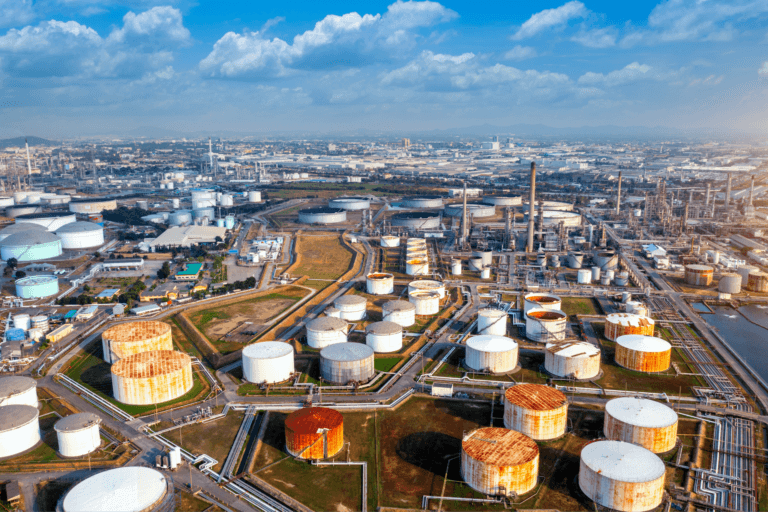
The oil and gas industry is a cornerstone of the global economy, powering industries, transportation, and homes. But have you ever wondered how oil and gas move from the depths of the Earth to the fuel tank of your car or the power grid of your city? The process is a complex journey that involves several stages—from exploration and drilling to production and distribution. In this blog, we break down oil and gas operations into key stages to help you understand the life cycle of energy extraction.
Every successful oil and gas operation begins with exploration. This is the phase where geological surveys, satellite imaging, and seismic studies are used to identify potential underground oil and gas reservoirs.
Companies invest heavily in this phase as it determines the viability of a project. Advanced technology and data analytics are now enabling more precise targeting of drilling locations, minimizing environmental impact and financial risk.
Once a viable site is identified, the area must be prepared for drilling. This includes:
Drilling is the process of creating a borehole to access oil and gas reserves. This is typically done using rotary drilling rigs, which penetrate the Earth’s crust. During drilling, drilling mud is circulated to cool the drill bit and transport rock cuttings to the surface.
After the well is drilled, it needs to be evaluated to determine its productivity. This stage is known as well completion, and it includes:
The data gathered in this phase helps companies assess how much oil or gas is available and whether it’s economically feasible to proceed with production.
When a well is deemed viable, the production phase begins. This is when oil and gas are extracted and brought to the surface.
The hydrocarbons are separated from impurities such as water, sand, and gas. In some fields, enhanced oil recovery techniques like water flooding or gas injection are used to boost production.
Crude oil and natural gas cannot be used in their raw form. They must be transported to refineries where they are processed into usable products:
Refining involves physical and chemical processes such as distillation, cracking, and reforming to produce these valuable end products.
Oil and gas products are transported via:
They are stored in facilities like tank farms or underground storage before reaching their final destination. Safety and efficiency are paramount during this phase due to the flammable and hazardous nature of hydrocarbons.
The final products are delivered to:
At this stage, the journey from the Earth’s crust to your engine or home is complete. Oil and gas operations truly impact almost every aspect of modern life.
The Role of Transformers in Oil and Gas Operations
At MSC Transformers, we understand how critical reliable power distribution is in the oil and gas industry. From drilling rigs in remote locations to refineries and production plants, the need for robust and high-efficiency transformers is essential.
Whether you’re dealing with distribution transformer manufacturers or custom transformer solutions, our engineering expertise ensures seamless integration into your energy operations.
Learn more about our transformer solutions tailored for heavy-duty industries like oil and gas.
Understanding the full lifecycle of oil and gas operations gives us a greater appreciation of the resources we use every day. From exploration and drilling to refining and distribution, this intricate process is powered by innovation, precision, and energy infrastructure—including reliable transformers.
We look forward to partnering with you and delivering excellence in the Transformers.
WhatsApp us

